MSite is part of the Infobric Group |Visit infobric.com
Back

From assumption to assurance: what we heard in Manchester and London

Over the past few weeks, we’ve brought construction leaders together in Manchester and London for our Supply Chain & Workforce Assurance executive briefings.

The aim was simple: to get beyond the headlines around changing regulation and have a practical conversation about what increasing supply chain accountability means for principal contractors.

Across both events, we heard perspectives from tax, employment and immigration law, alongside MSite’s view on workforce and supply chain assurance.

What emerged was a remarkably consistent message.

Construction’s complex subcontracting model isn’t going away. But the level of visibility, control and evidence expected of the businesses sitting at the top of those supply chains is changing.

And relying on assumptions about what is happening beyond Tier 1 is becoming increasingly difficult to defend.


Three perspectives, one increasingly important issue

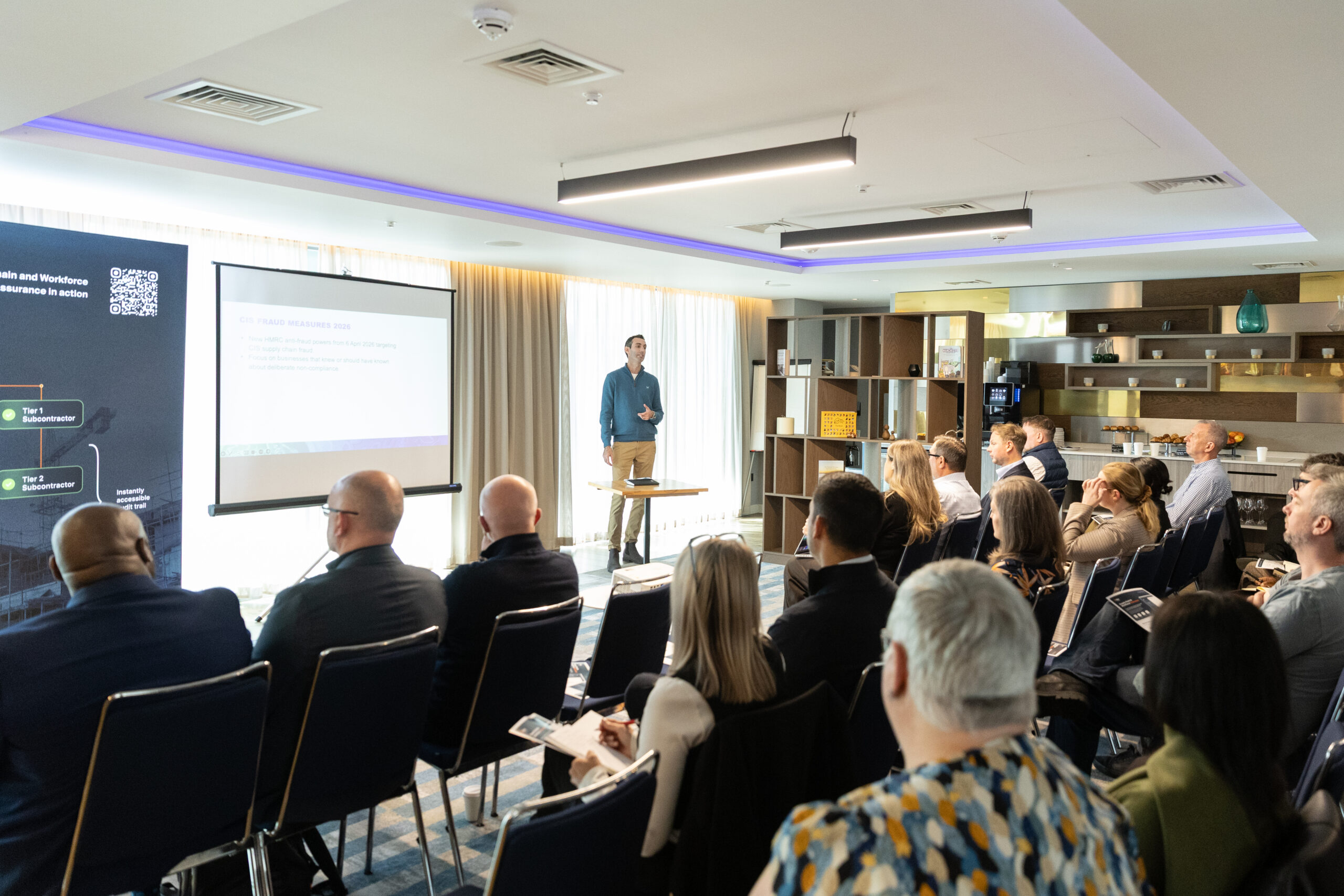
Patrick Crookes, Employment Tax Partner at Cooper Parry, opened the discussion by examining the new CIS anti-fraud measures introduced in April 2026.

One phrase featured prominently: “knew or should have known.”

The measures increase the importance of proportionate supply chain due diligence. Businesses need to consider the organisations operating through their supply chains, recognise potential warning signs and, importantly, retain evidence of the decisions and actions they take.

As Patrick explained:

“The important phrase for businesses is ‘knew or should have known’. It means supply chain due diligence can’t simply be a paperwork exercise. Businesses need proportionate checks, they need to recognise the warning signs, and they need to be able to demonstrate what they did when concerns were identified.”

Patrick Crookes, Employment Tax Partner, Cooper Parry

Patrick’s session also explored the potential consequences of getting this wrong, including HMRC determinations, penalties and the potential loss of Gross Payment Status.

The message wasn’t that every organisation in a supply chain should be treated as a problem. It was that businesses need a proportionate way of understanding risk, investigating concerns and demonstrating the due diligence behind their decisions.


Right to Work: contracts are only part of the answer

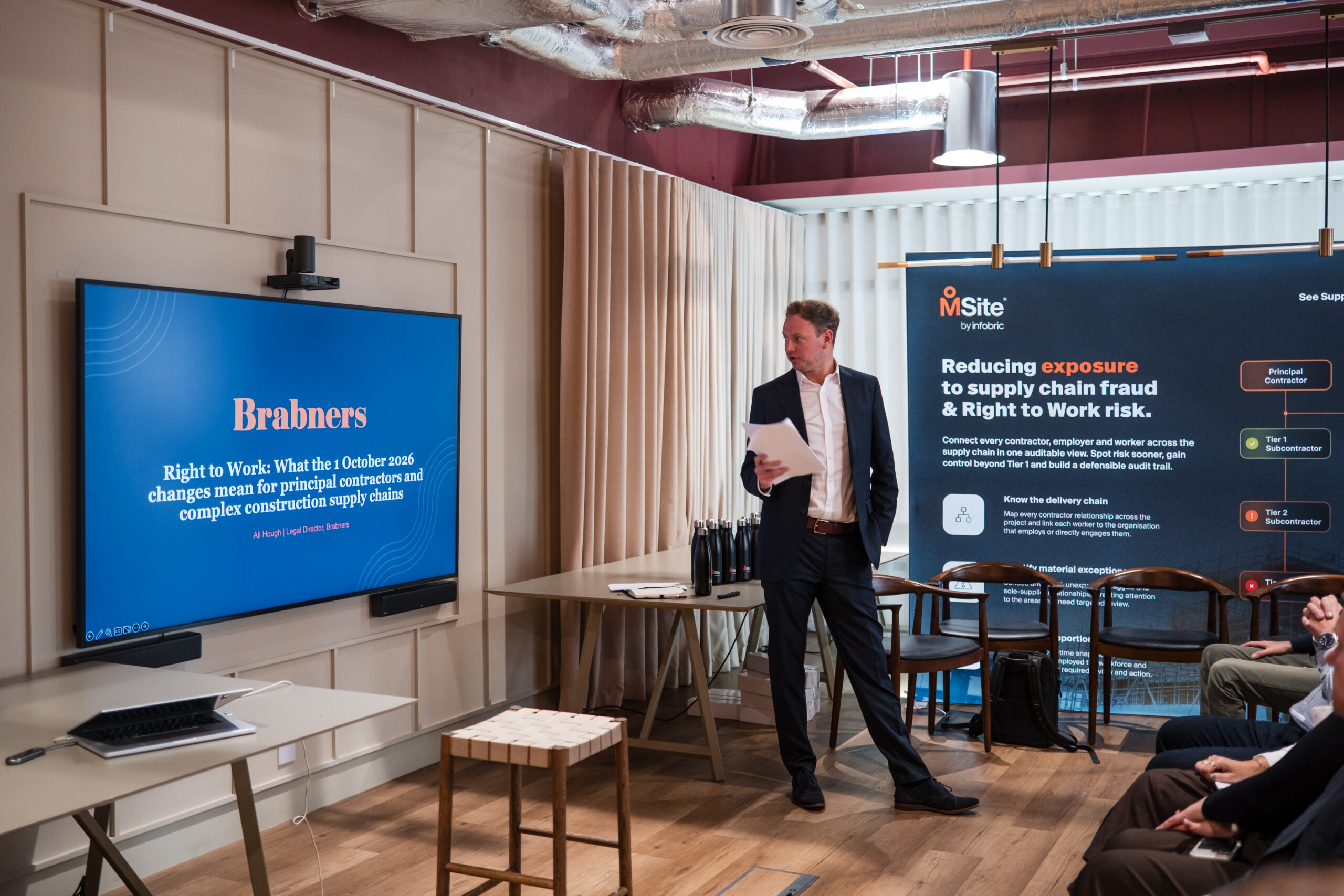
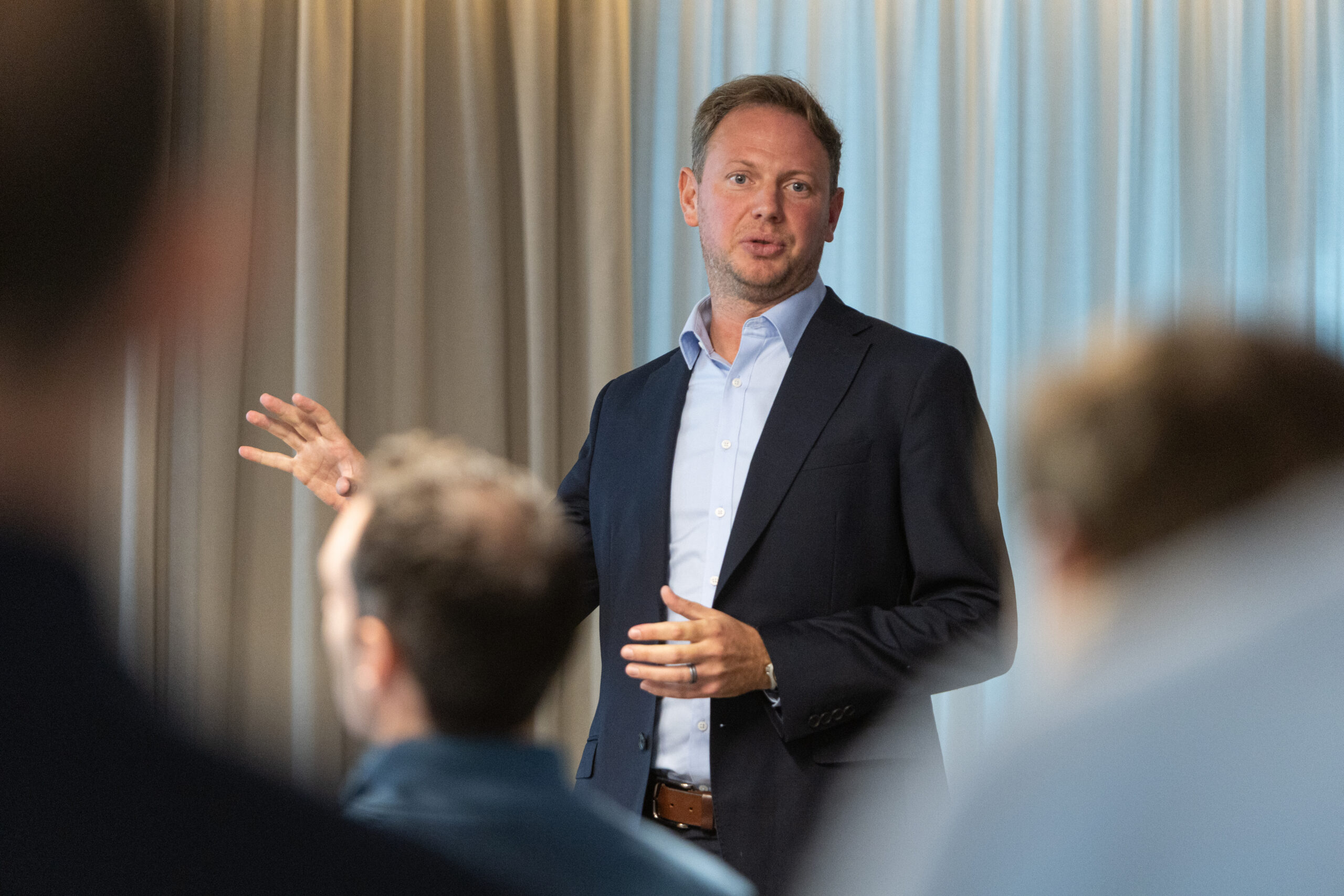
Ali Hough, Legal Director at Brabners, then turned to the Right to Work changes taking effect from 1 October 2026.

For construction, their significance is closely connected to the complexity of the workforce model. People can arrive on a project through multiple subcontracting, labour supply and contractual relationships.

The direct employer remains responsible for undertaking the relevant Right to Work check. But in specified arrangements, potential liability can extend further up the contractual chain.

That creates some very practical questions for principal contractors.

Who actually employs or engages the worker? Where does that organisation sit within the contractual chain? Have the appropriate processes been followed? And can you connect the person whose status was checked with the person who actually arrives and works on site?

As Ali put it:

“For principal contractors, this isn’t just about putting the right clauses into contracts. You need to understand how your labour and subcontracting arrangements actually work in practice, and have proportionate controls and evidence to support that. In a complex construction supply chain, workforce visibility becomes a really important part of that.”

Ali Hough, Legal Director, Brabners

That distinction between having a process on paper and demonstrating that it operates in practice became one of the recurring themes of the events.


The conversation quickly moved beyond compliance

Perhaps the most interesting part of both events was that the discussion didn’t remain confined to legislation.

Once you start asking who is actually delivering work beyond Tier 1, the issue becomes much broader.

It becomes a question of supply chain visibility.

A principal contractor may know exactly which subcontractors it appointed directly. But those organisations can introduce other subcontractors, labour providers and employers as a project progresses.

The supply chain delivering the project can therefore look very different from the supply chain originally appointed.

That matters for tax and Right to Work assurance, but it also matters commercially and operationally.

If an issue emerges several tiers down, how quickly can the business establish which organisation introduced that supplier? Who employs the affected workers? Which projects are exposed? What checks have taken place? And who needs to act?

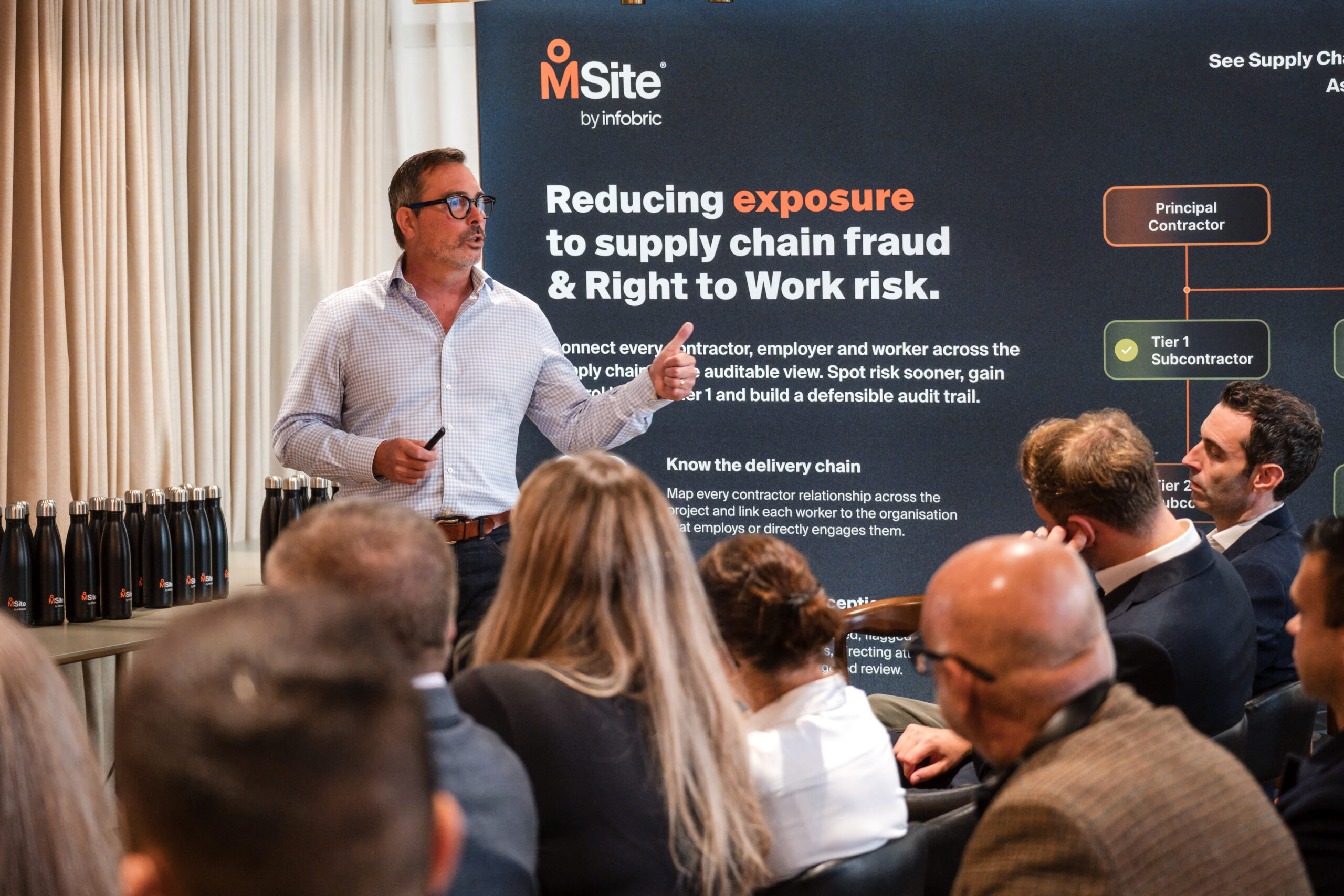
Robert Brent, CEO of MSite, brought those threads together by looking at how construction can move from periodically collecting information about its supply chains towards maintaining a connected picture of the organisations and people actually delivering its projects.

The question at the heart of Rob’s session was deceptively simple:

You know who you appointed. Do you know who is delivering?


From assumption to assurance

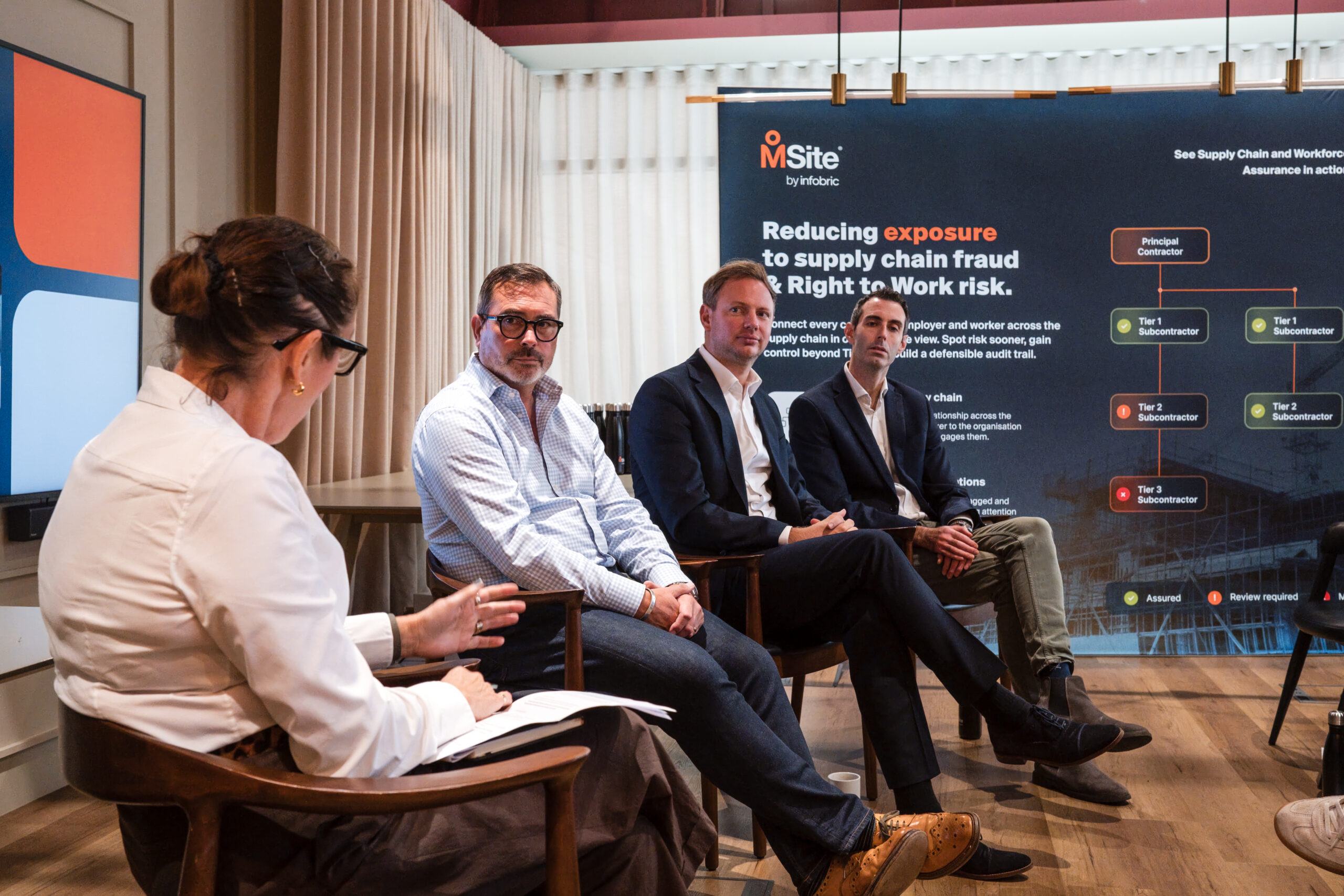
That question led naturally into our panel discussion: From Assumption to Assurance: Managing Risk Beyond Tier 1.

And it captured much of what we heard across Manchester and London.

Principal contractors cannot realistically investigate every worker and supplier with the same intensity. Nor is that what proportionate assurance should mean.

The opportunity is to build enough transparency to identify where something doesn’t look right and focus attention accordingly.

That means understanding the contractor hierarchy. Connecting workers to the organisations that employ or directly engage them. Identifying unexpected, unverified or concerning relationships. And retaining evidence of the reviews and actions that follow.

In other words, moving towards assurance by exception rather than trying to manage an increasingly complex supply chain through disconnected records, periodic declarations and retrospective investigations.


The questions construction leaders are asking

The level of engagement across both events reinforced how quickly this issue is moving up the agenda.

The questions weren’t simply about what the legislation says.

Attendees wanted to understand what it means in a real construction environment.

Who should own supply chain assurance internally? How far should due diligence extend? What should be expected of subcontractors? How should businesses deal with substitution? How can the employer of a worker be reliably identified? And how can principal contractors create useful evidence without placing another significant administrative burden on project teams?

Those conversations continued through the panel discussions, breaks and lunch in both Manchester and London.

And that, ultimately, was why we wanted to bring people together: not simply to explain regulatory changes, but to give construction leaders the opportunity to discuss what responding to them looks like in practice.


Thank you to everyone who joined us

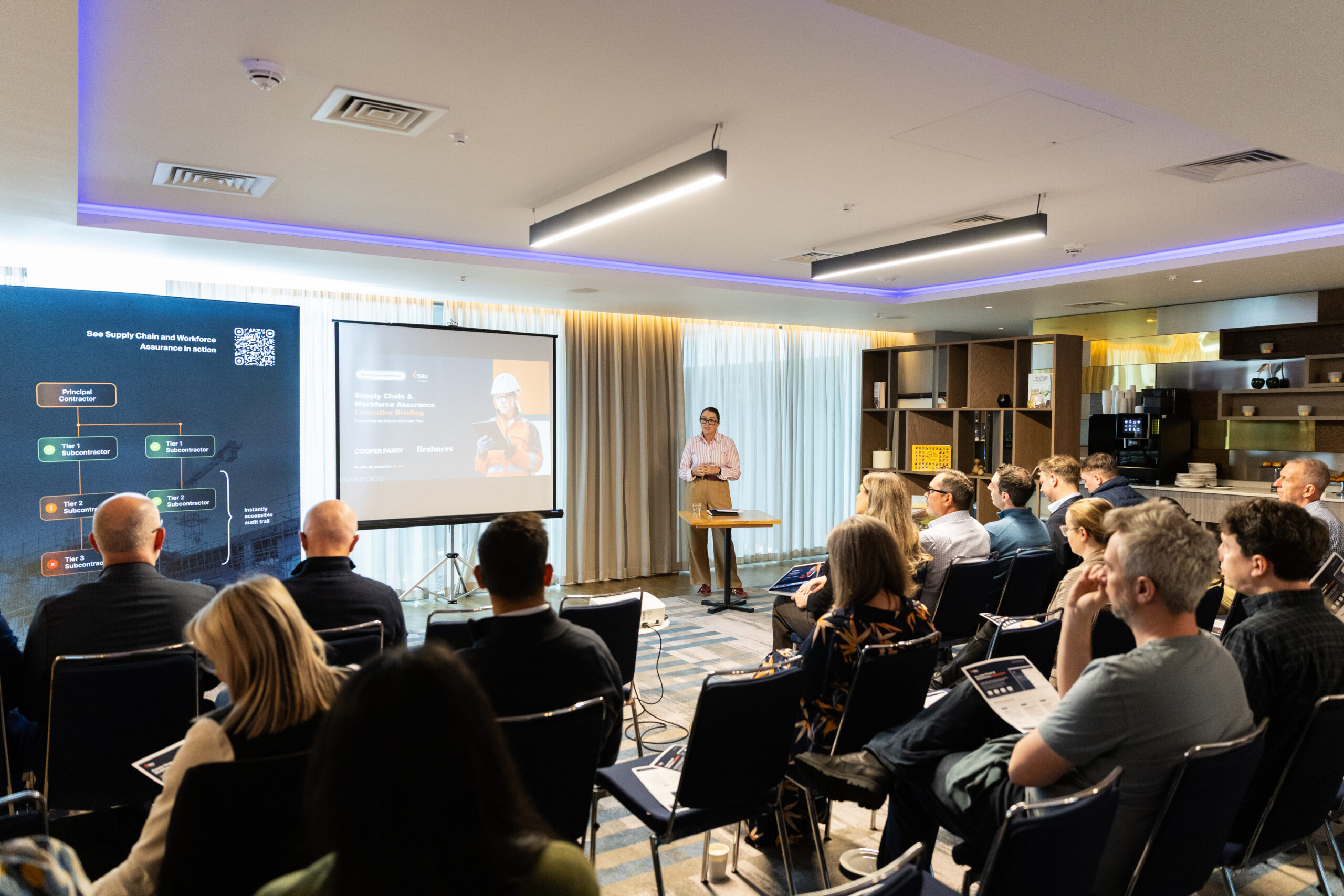
A huge thank you to everyone who joined us in Manchester and London and contributed to the discussion.

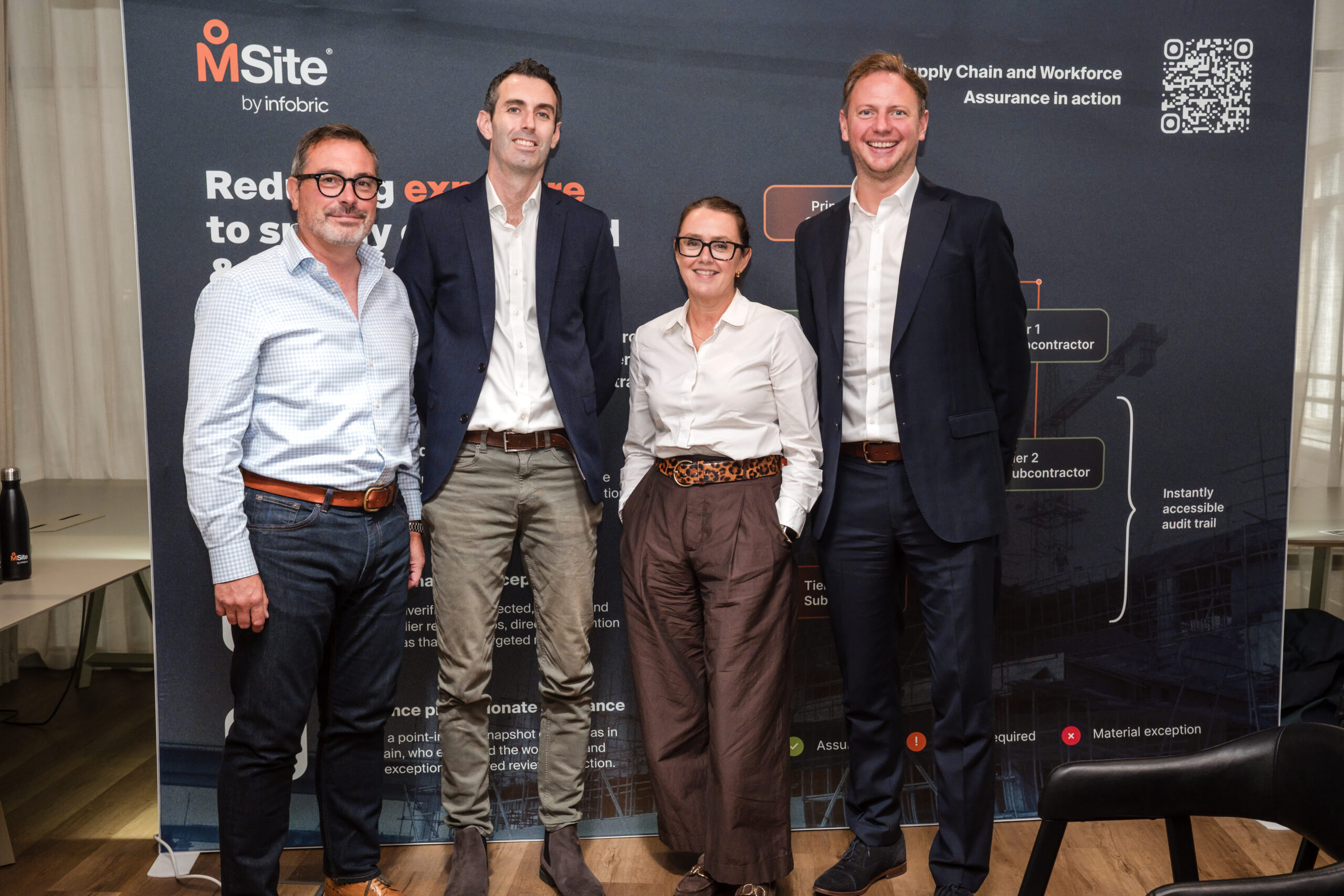
And particular thanks to Patrick Crookes and the Cooper Parry team, and Ali Hough and Brabners, for helping us bring together the tax, legal and operational perspectives behind what is an increasingly important issue for construction.

The takeaway from the two events is not that construction needs another layer of compliance administration.

It’s that better knowledge of the supply chain can become valuable in its own right.

When organisations can connect who they contracted with, who subsequently entered the supply chain, who employs the people doing the work and what happened when an exception was identified, they are in a stronger position to respond to scrutiny and manage risk.

The industry is moving from an environment where assumptions about the lower tiers of the supply chain have often been accepted towards one where those assumptions increasingly need to be supported by evidence.

Which leaves principal contractors with an important question:

How far into your supply chain does verified knowledge extend?

Missed the events?

See how MSite Supply Chain Assurance can help you understand who is really delivering work across your projects, identify risk beyond Tier 1 and build a stronger evidence base for supply chain assurance.

Book a demo
Book a demo