
Built for principal contractors managing multi-tier supply chains.
Changes to CIS fraud rules and upcoming Right to Work requirements have increased the consequences of poor visibility through complex construction supply chains. Supply Chain Assurance connects contractor relationships, worker–employer relationships and project activity, helping principal contractors understand how work is being delivered through the lower tiers before an issue becomes an investigation, disruption or financial exposure.
See the supply chain that is actually delivering your project.
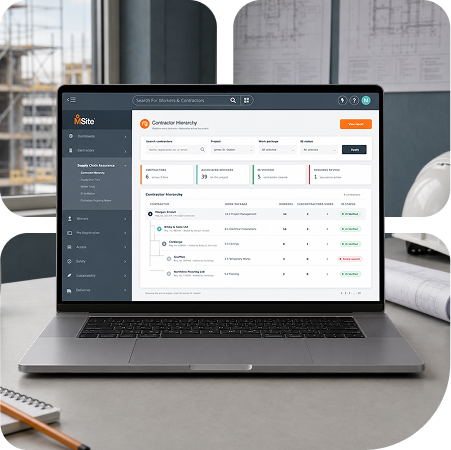
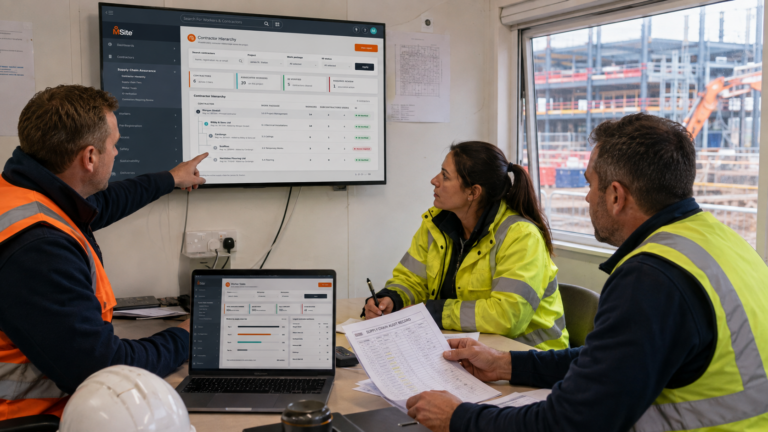
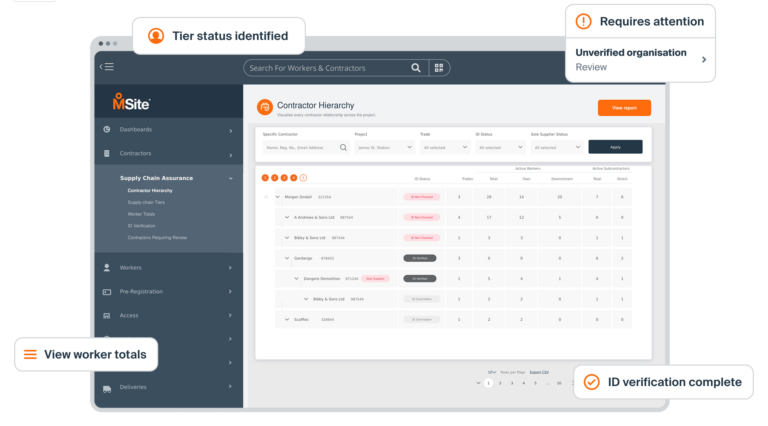
Supply Chain Assurance creates a project-level view of the organisations, employers and workers involved in delivery.
Instead of every supplier appearing as though it sits directly beneath the principal contractor, MSite maps the actual hierarchy, from Tier 1 through Tier 2, Tier 3 and beyond, showing who engaged whom and connecting those relationships to the workforce attending site. This makes it easier to understand the difference between the supply chain you expected to use and the supply chain that is actually delivering the project.
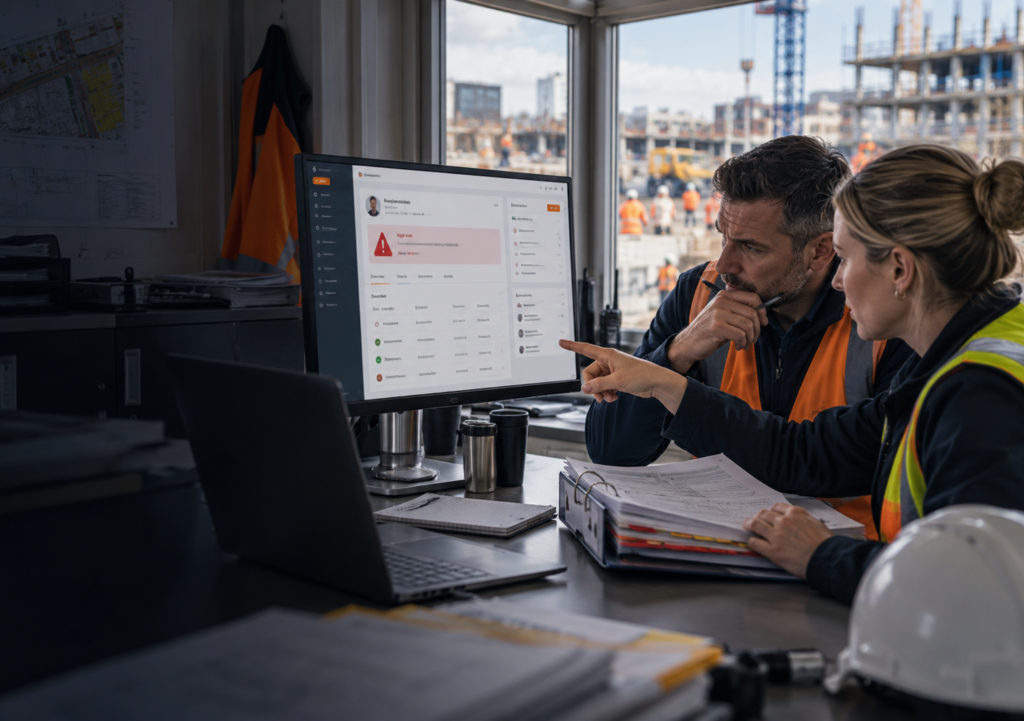
Reduce financial exposure
Identify potentially higher-risk relationships earlier and create evidence of the checks, reviews and actions taken before an issue escalates.
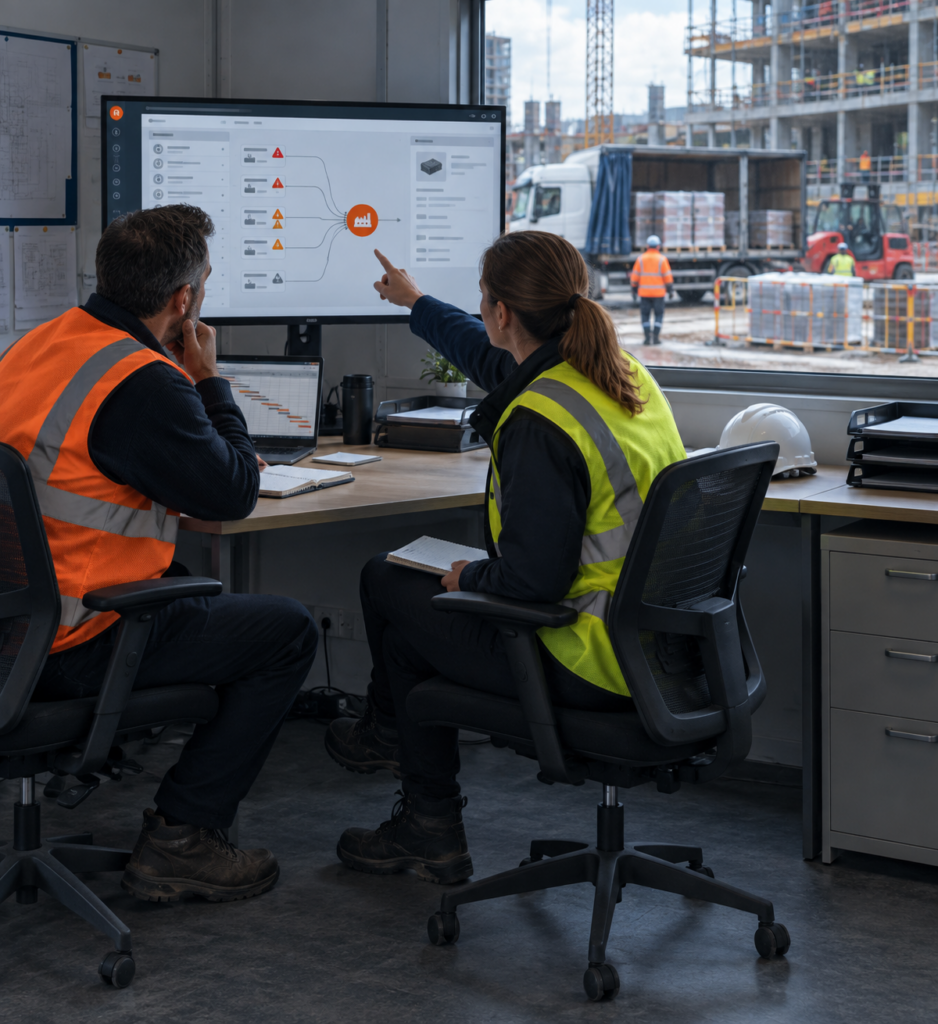
Protect project delivery
See lower-tier dependencies, unexpected organisations and sole-supplier relationships that could create disruption if something goes wrong.
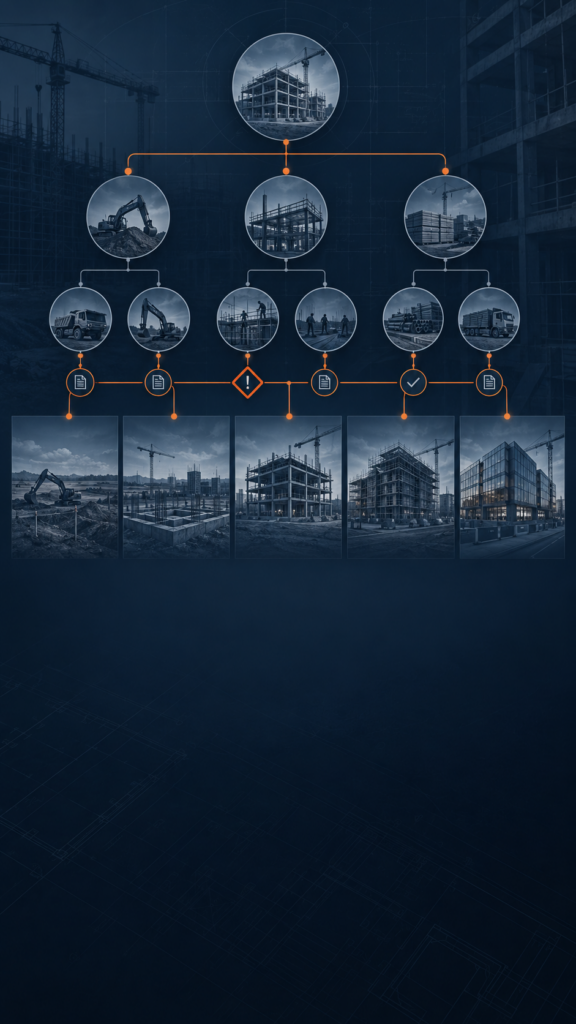
See beyond Tier 1
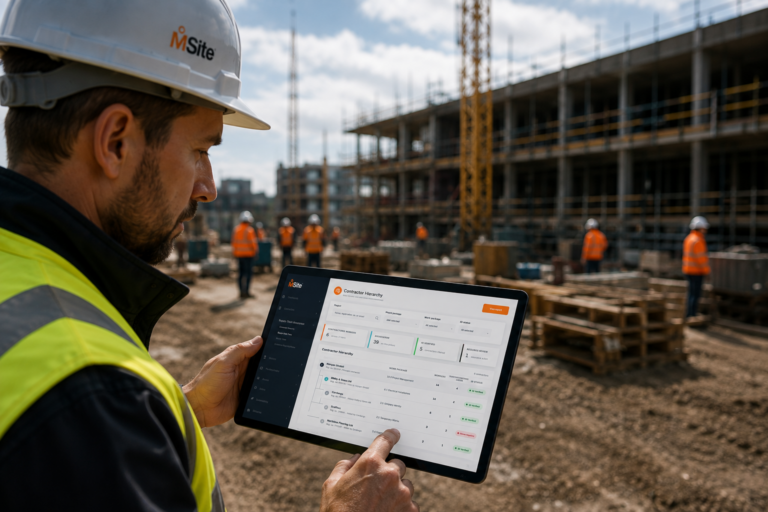
Understand who is actually delivering the work, who appointed them and how far the contractor hierarchy extends.
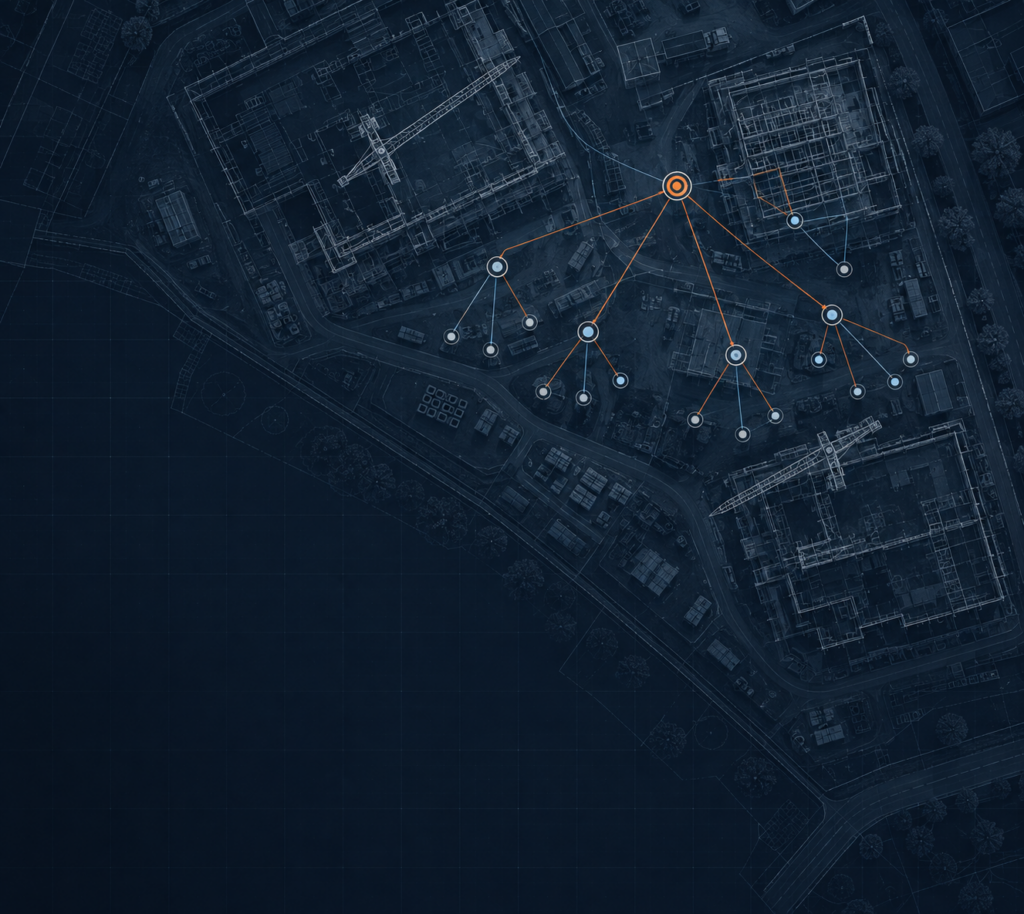
Protect reputation and client confidence
Demonstrate that your business is actively monitoring how work and labour are being delivered rather than relying solely on declarations from Tier 1 suppliers.
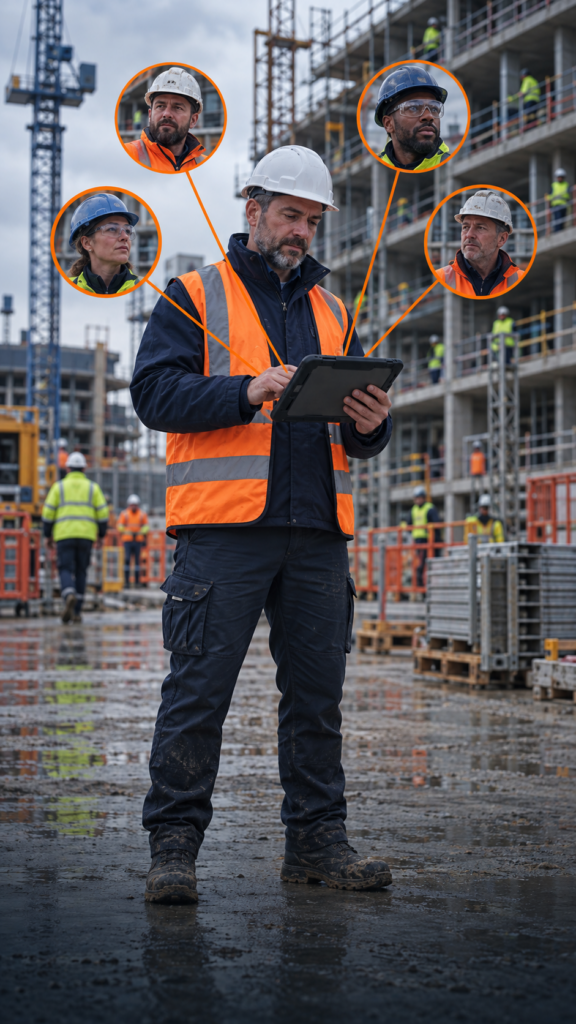
Strengthen audit readiness
Create a connected, timestamped project record of contractor relationships, employer relationships, exceptions and actions, reducing the need to reconstruct the supply chain retrospectively.
Latest insights on Supply Chain Assurance
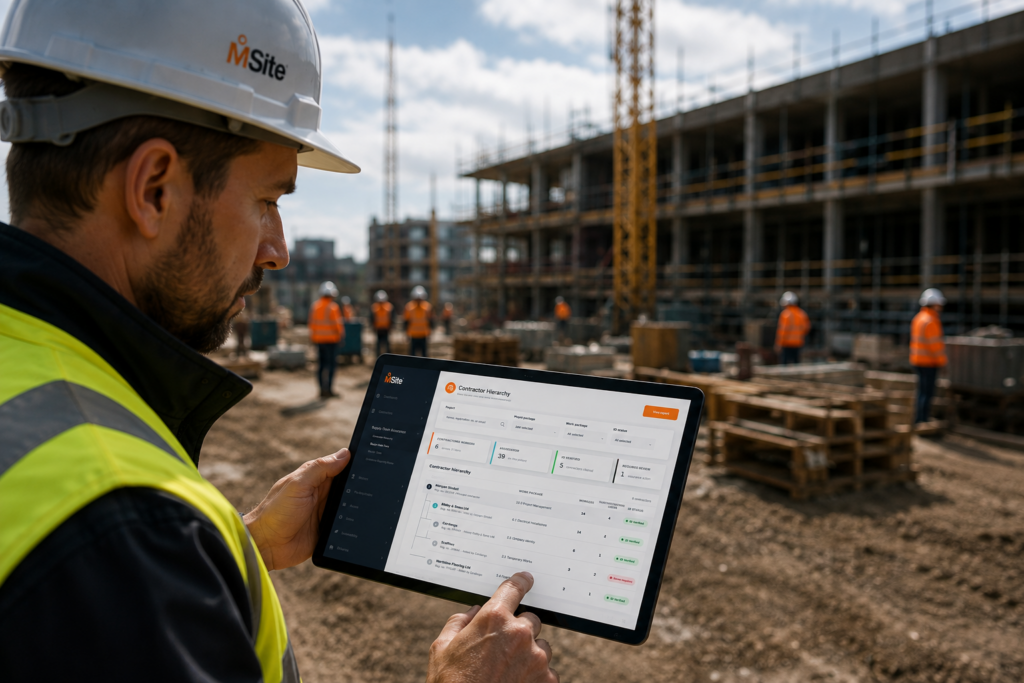
Supply chain management software: is construction asking enough of its technology?
Procurement systems contain supplier information. Commercial teams hold contractual records. Project teams know which subcontractors they've engaged. Workforce systems can tell you who is attending site.But can those systems collectively answer a more difficult question
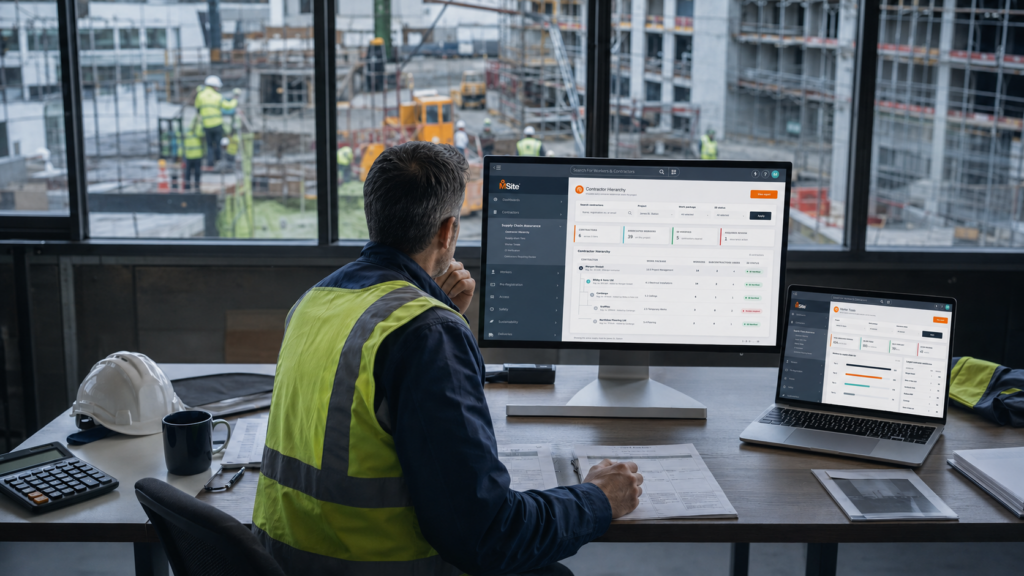
Construction supply chain risk: the risks hidden below Tier 1
Principal contractors tend to know their Tier 1 subcontractors well. They have been through procurement, contracts have been agreed and due diligence completed.But Tier 1 is only the beginning of the delivery chain.

What is supply chain assurance in construction?
Most principal contractors can tell you which companies they've appointed to deliver a project. Far fewer can confidently explain who those companies have engaged, how work is flowing through the contractor hierarchy, or whether the organisations working on site today are the ones they expected.