The page you are trying to navigate to is only available in the following regions, please select a country and language to proceed.
Principal contractors already hold huge amounts of information about their supply chains.Procurement systems contain supplier information. Commercial teams hold contractual records. Project teams know which subcontractors they've engaged. Workforce systems can tell you who is attending site.But can those systems collectively answer a more difficult question:Who is actually delivering the…
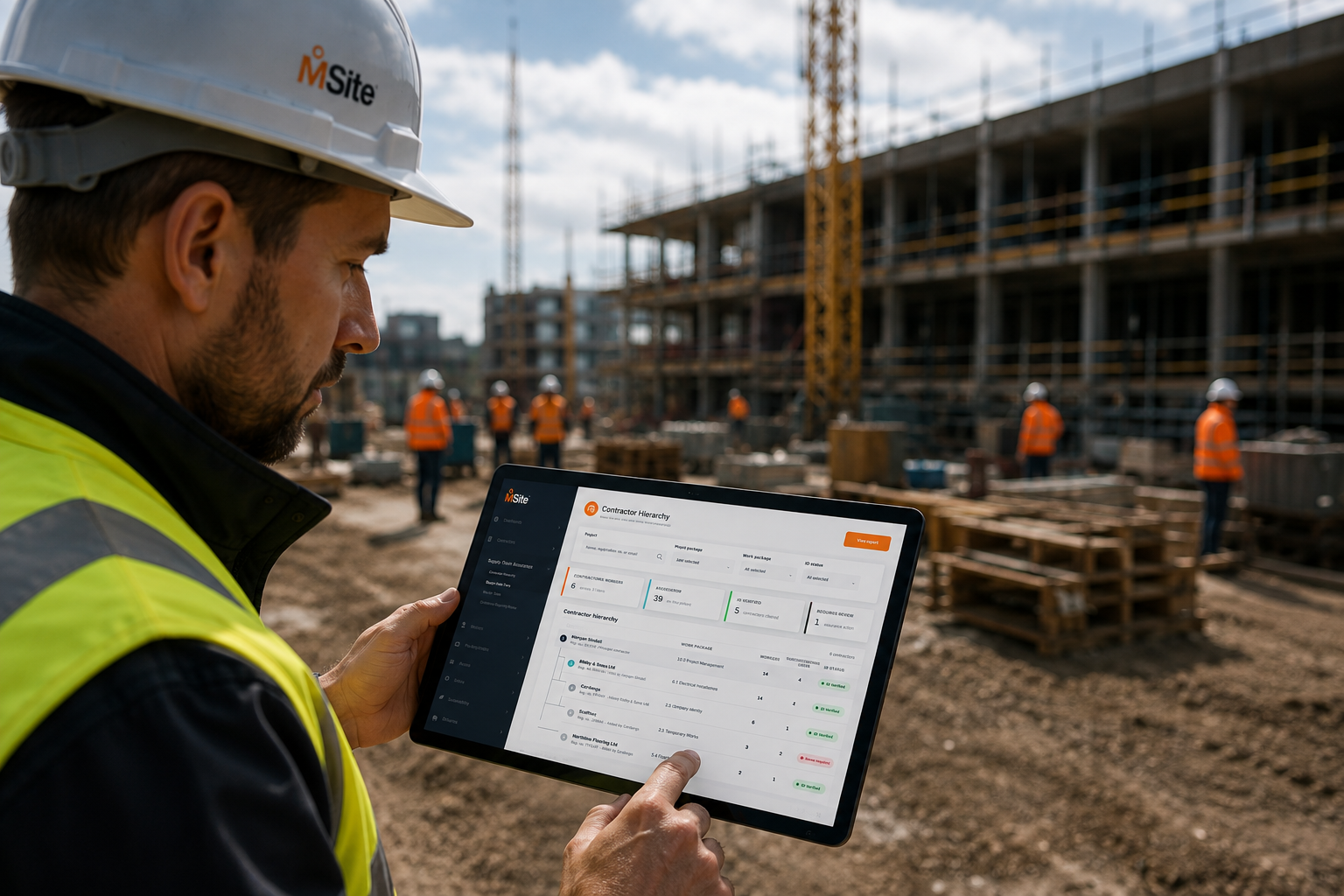
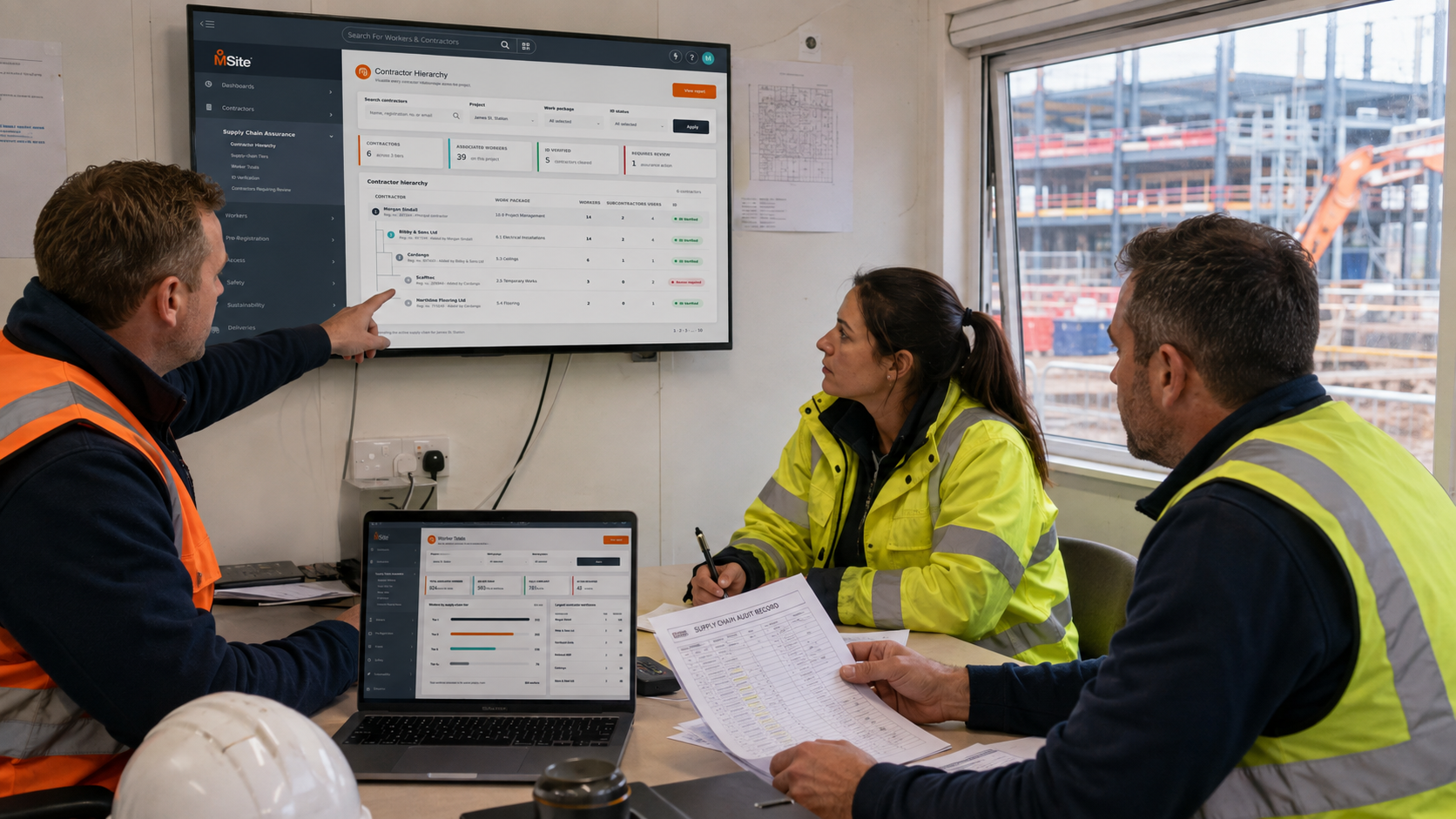
Principal contractors tend to know their Tier 1 subcontractors well. They have been through procurement, contracts have been agreed and due diligence completed. But Tier 1 is only the beginning of the delivery chain. A subcontractor may appoint another subcontractor. That business may use a labour provider or subcontract part…
Most principal contractors can tell you which companies they've appointed to deliver a project. Far fewer can confidently explain who those companies have engaged, how work is flowing through the contractor hierarchy, or whether the organisations working on site today are the ones they expected. As construction supply chains become increasingly complex,…
For many principal contractors, supply chain due diligence starts with the companies they appoint directly. But that is rarely where the supply chain ends. A Tier 1 subcontractor may appoint a Tier 2. That business may subcontract part of the package again or bring in a labour provider. Workers arriving…
Mental Health Awareness Week 2026 comes at an important time for the construction industry. Conversations about well-being are more visible than they once were, and many businesses are making real efforts to create more open, supportive workplaces. Across the sector, there is greater awareness of the pressures people face, more…
The construction sector is on the cusp of significant legislative change. The Government’s Border Security, Asylum and Immigration Bill 2025 proposes extended right-to-work checks that will now cover gig-economy and zero-hours workers – a major shift for an industry that relies heavily on flexible labour. Coupled with an open consultation…
2025 was a rocky year for the sector. From a widening skills gap and rising material costs to regulatory changes and a prolonged slowdown, there were plenty of factors dampening confidence. As we look ahead, the question remains: will the outlook for the construction industry improve in 2026, or will these…
In response to the Skills England report published in October 2025, which highlights a significant tech and AI skills gap hindering the uptake of artificial intelligence across the construction sector, this piece reflects on what that gap really means for the industry and how we can bridge it. The AI…
After a challenging period marked by rising costs, project delays and regulatory pressure, the UK construction industry is set for a sustained upswing. According to the Glenigan Construction Industry Forecast 2026–2027, total project-starts are expected to rebound from £63.7bn in 2025 to £68.8bn in 2026 and a forecasted £77.5bn in…
With digital processes increasingly replacing manual and outdated systems across the construction industry, Robert Brent, CEO at construction workforce management provider MSite, explores how this shift is transforming risk assessment management, driving a safer workplace culture, building operational resilience, and reinforcing stakeholder confidence. From worker onboarding and project management to…